The pipe is cut. The cement is applied. The fitting is in place. Everything looks right. Then the pressure test finds a leak. A leaking PVC joint isn’t always caused by a visible crack or damaged fitting. Something as simple as poor insertion, misalignment, movement during assembly, or improper preparation can cause problems later.
So, what went wrong? Before replacing the joint, check these common causes.
1. Did the Pipe Reach the Fitting Stop?
A pipe can look properly inserted without actually reaching the fitting stop. Before applying solvent cement, dry-fit the pipe and fitting and mark the required insertion depth. During final assembly, push the pipe fully into the fitting as required by the manufacturer’s instructions.
Check the actual insertion depth, not just how the joint looks.
2. Was the Pipe Properly Cut and Prepared?
A poor pipe end can make a good connection harder to achieve.
Before assembly:
- Cut the pipe square.
- Remove burrs and rough edges.
- Bevel or chamfer the pipe when required.
- Clean the joining surfaces.
Proper preparation helps the pipe enter the fitting correctly and allows the joining materials to work as intended.
3. Were the Pipe and Fitting Clean and Dry?
Dirt, grease, moisture, and other contamination can interfere with the joining process. Check both surfaces before applying primer or solvent cement. Follow the preparation instructions for the specific pipe, fitting, primer, and cement you are using.
If the surfaces are not properly prepared, stop and correct the problem before making the connection.
4. Was the Pipe Properly Aligned?
This becomes harder when working with:
- Large-diameter PVC
- Heavy pipe
- Tight spaces
- Awkward angles
- Out-of-round pipe
- One-person installations
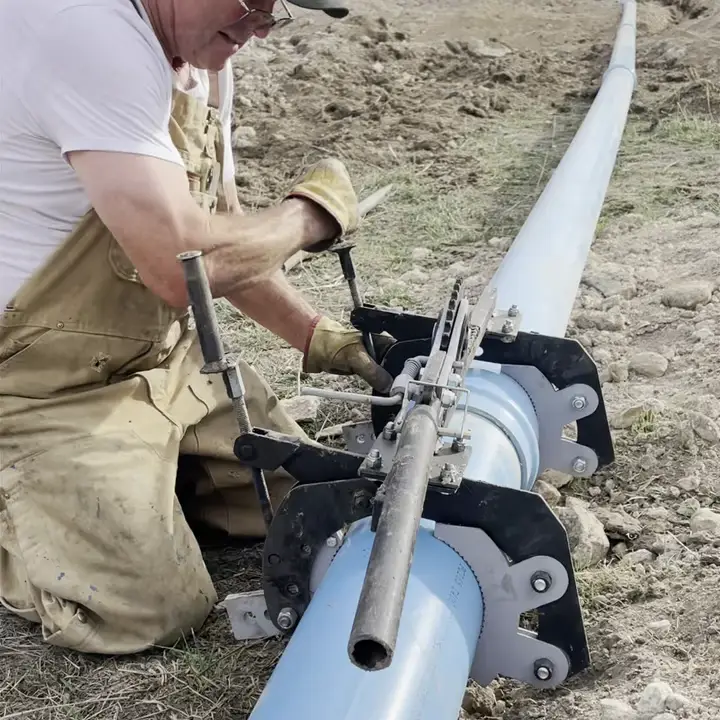
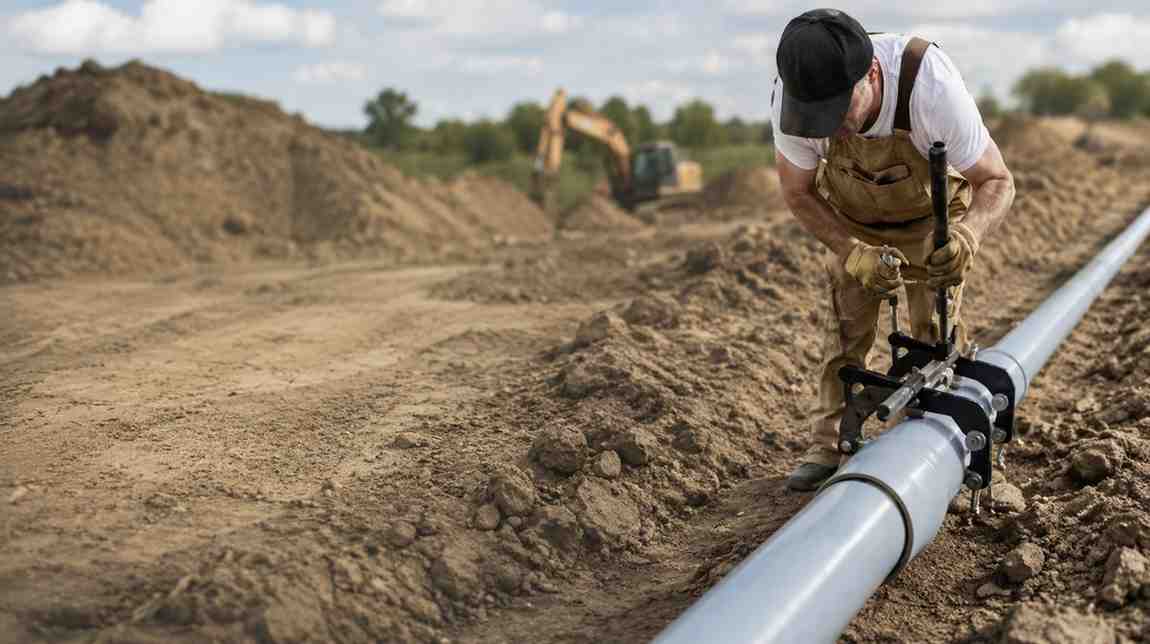
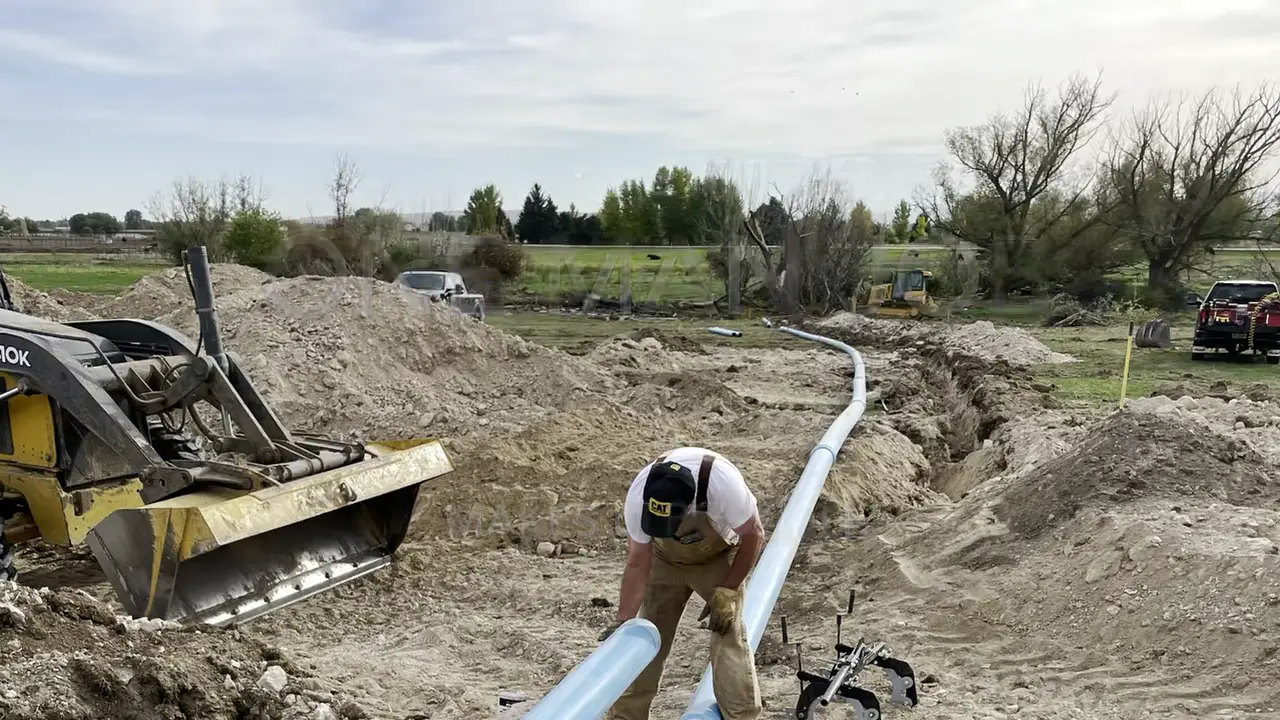
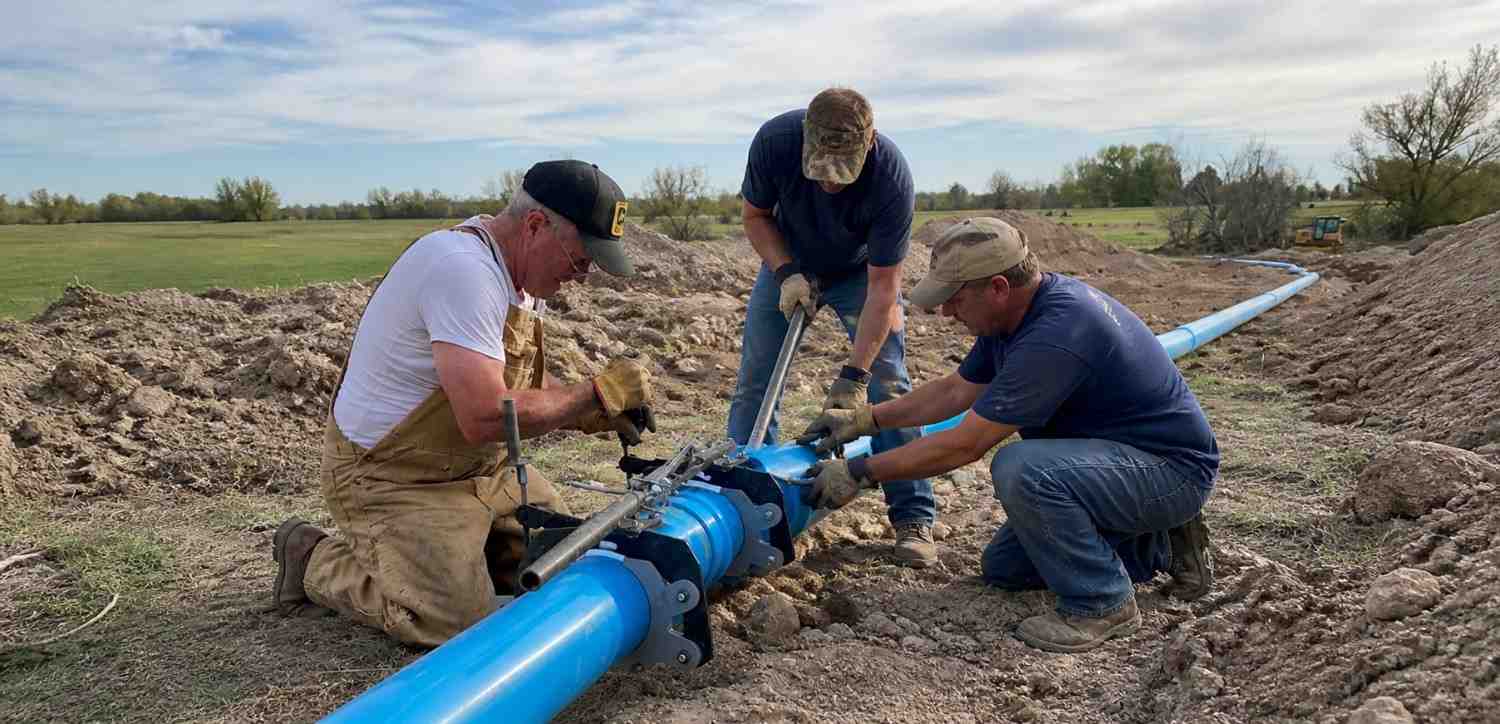
Holding the pipe, positioning the fitting, applying cement, and keeping everything aligned at the same time is difficult. That’s where pipe fitting alignment tools can help.
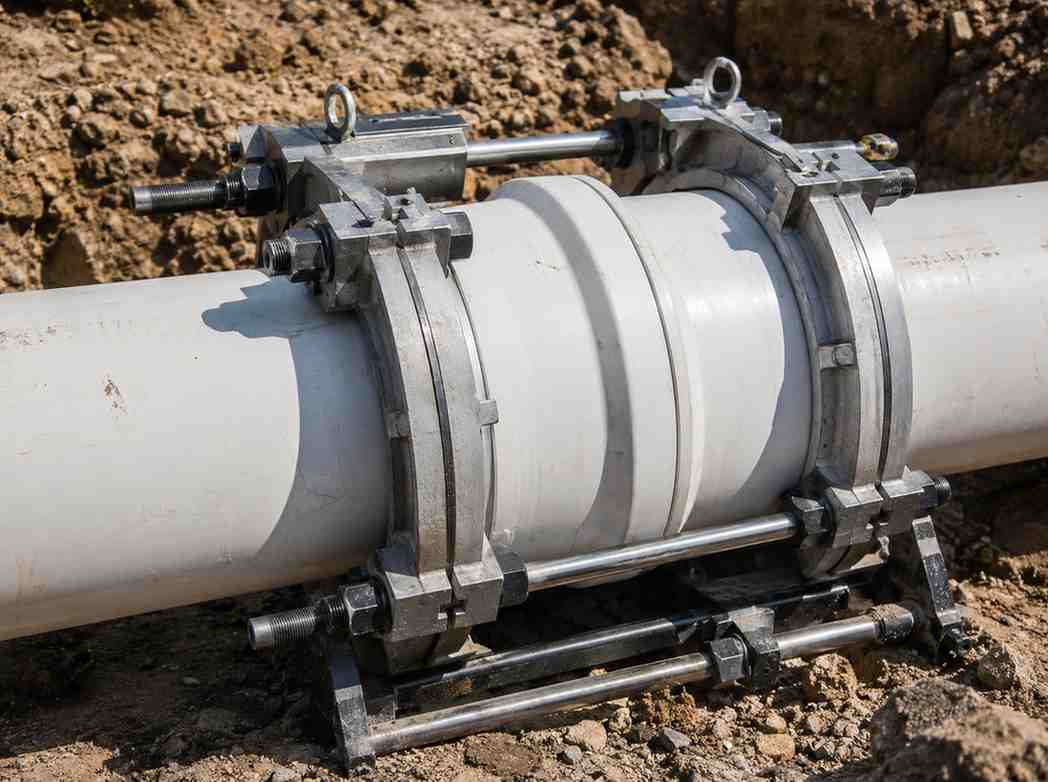
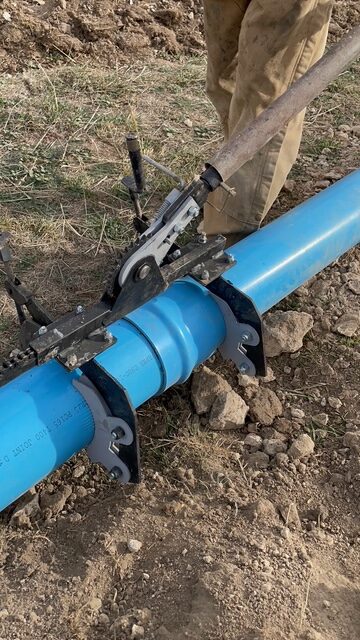
At The PipeFitter, our PVC pipe assembly tools are designed to help professionals position pipe and fittings and apply controlled pressure during assembly. This can reduce the need for clamps, pry bars, or another person to hold the connection in place.
5. Did the Pipe Move After Assembly?
Getting the pipe into the fitting is only part of the job. It also needs to stay in position while the joint begins to set. If the pipe shifts, twists, or pulls during this stage, the connection may not set as intended. Manufacturer instructions should always be followed for assembly and initial set time.
Our professional pipe alignment solutions help keep the pipe and fitting in position during this critical part of the assembly process.
6. Did You Use the Right Amount and Type of Joining Material?
More cement does not automatically mean a stronger joint. The pipe and fitting need to be properly prepared, and the primer and solvent cement should be compatible with the system and applied according to their instructions. The correct applicator and application method also matter.
Follow the product manufacturer’s requirements rather than trying to fix a poor fit with extra cement.
7. Was the Joint Given Enough Time to Cure?
A joint can feel firm before it is ready for pressure. Cure time depends on factors such as pipe size, temperature, humidity, and the products being used. Always follow the applicable manufacturer’s cure requirements before pressure testing or putting the system into service.
Don’t let a premature pressure test turn a good connection into a failed one.
Why Is Large PVC Harder to Align?
Larger pipe is simply harder to control. The pipe is heavier, movement is harder to manage, and keeping the pipe and fitting aligned can take more effort. The problem becomes even greater in tight spaces or when the pipe is not perfectly round.
That’s why the right equipment matters. The PipeFitter’s PVC assembly tools are designed for 3″ to 12″ PVC and help professionals apply controlled pressure while keeping pipe and fittings aligned.
For demanding jobs, industrial pipe alignment tools can provide a more controlled way to handle large or difficult pipe connections.
An 8-Point Check Before You Rework the Joint
If a PVC connection is leaking, check:
- Pipe cut: Is the end square and properly prepared?
- Surface condition: Are the pipe and fitting clean and dry?
- Insertion: Did the pipe reach the fitting stop?
- Alignment: Were the pipe and fitting properly aligned?
- Joining materials: Were compatible products used correctly?
- Stability: Did the pipe stay in position after assembly?
- Set time: Was the joint left undisturbed as required?
- Cure time: Was the recommended cure time followed before pressure testing?
This checklist can help you find the problem before removing and rebuilding the entire connection.
The Right Alignment Tool Can Make Assembly Easier
A reliable PVC connection starts before the cement is applied. When the pipe is difficult to hold, keeping the fitting aligned and maintaining steady pressure can become the hardest part of the job.
At The PipeFitter, we make PVC pipe alignment and assembly tools for professionals who need better control during difficult fit-ups.
Our tools are built to help with:
- Pipe-to-fitting alignment
- Controlled pressure
- Proper pipe insertion
- Large-diameter PVC
- Tight work areas
- Out-of-round pipe
- One-person assembly
We also offer tools designed to work with PVC pipe fittings, helping make difficult connections easier to position and assemble. The goal is simple: get the pipe aligned, make the connection correctly, and avoid having to do the job twice.
Explore The PipeFitter’s PVC pipe alignment and assembly tools.
Frequently Asked Questions
Why is my PVC pipe joint leaking after it was glued?
A PVC joint can leak if the pipe wasn’t fully inserted, the surfaces weren’t properly prepared, the connection moved during setting, or it was tested too soon. Check the assembly process before replacing the fitting.
How do I stop a PVC joint from leaking?
A failed joint usually needs to be removed and properly remade rather than covered with more cement. Check the pipe preparation, insertion depth, alignment, and cure time before making the new connection.
Why won’t my PVC pipe go all the way into the fitting?
Burrs, poor preparation, or misalignment can make insertion difficult. Dry-fit the pipe first and check that it is properly aligned before applying cement.
What is the best way to align large PVC pipe and fittings?
Large PVC can be difficult to hold in position, especially in tight spaces or during one-person installations. The PipeFitter’s pipe fitting alignment tools help you maintain alignment and apply controlled pressure during assembly.
Can I pressure-test PVC pipe right after gluing?
No. A joint needs adequate time to set and cure before pressure testing. Follow the cement manufacturer’s recommended cure time for your pipe size and working conditions.
Do I need special tools to assemble large PVC pipe?
You may not always need them, but the right equipment can make large and difficult connections much easier to control. Our PVC pipe assembly tools are designed to help professionals handle alignment, insertion, and pressure during challenging fit-ups.