You pushed the pipe in, the cement grabbed, and now it sits short of the socket bottom. Here is the direct answer. Once a PVC joint sets, you cannot push it deeper or glue it again. What you can do next depends on how far the cement has already set.
We build the clamp-and-drive tools that crews use to seat these joints, so we see this problem often. A joint that stops at two-thirds depth can look fine at a glance. Under pressure, that shortfall becomes a leak.
This guide covers three things. Why a joint sets before it seats, what still works once it does, and how to stop it on the next joint.
Why Won’t a PVC Pipe Seat All the Way Into the Fitting?
The socket is tapered. The pipe grips hardest in the bottom third, and the cement often grabs before you finish the push.
A few things cause it:
- The joint is a tight, tapered fit. The pipe meets real resistance around one-third to two-thirds of the way in.
- The cement sets fast. It turns tacky in about two minutes, and faster in heat or on large pipe.
- The pipe pushes back out. Release it too soon, and it creeps out of the socket.
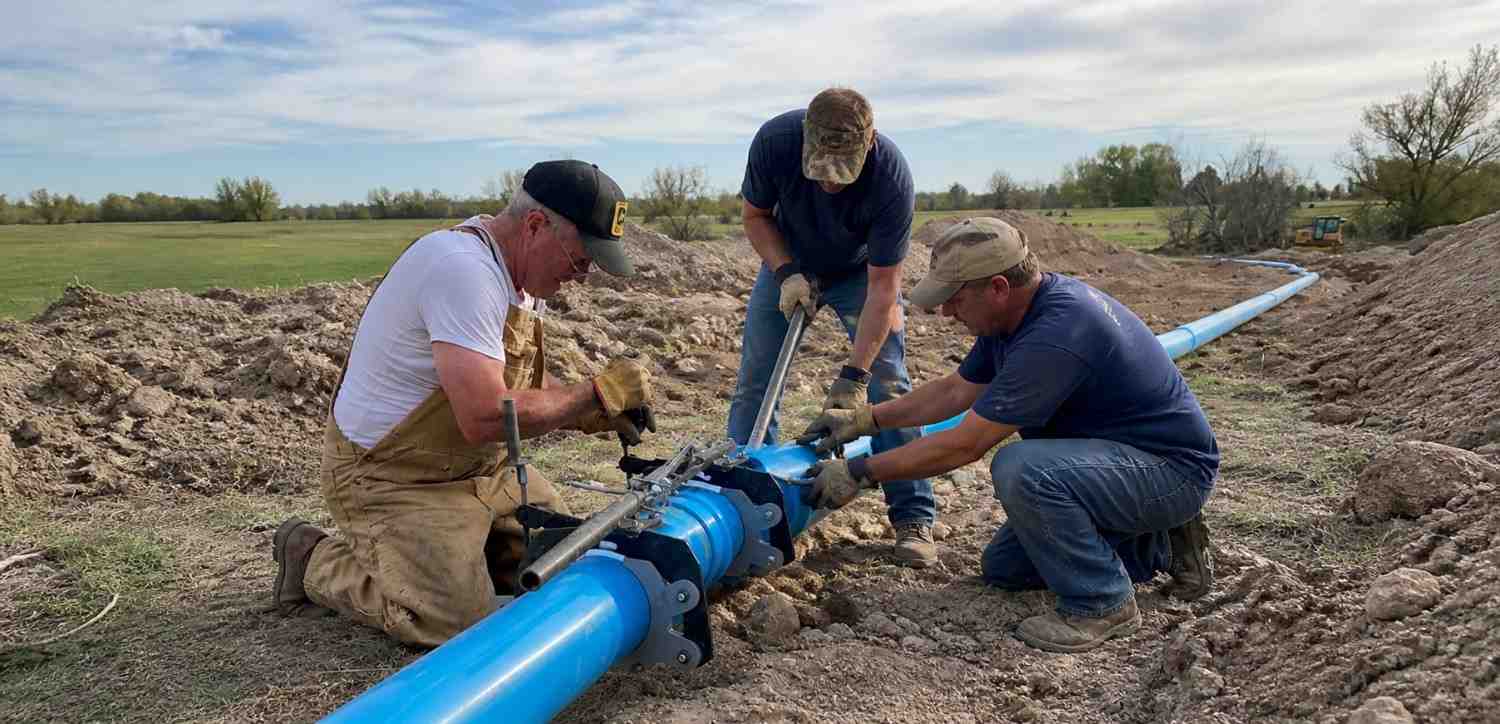
- Big pipe beats bare hands. Manufacturers call for two people on large diameters.
- Old cement will not soften the pipe, so it jams short of the bottom.
- No dry fit and no depth mark means you never see that it stopped short.
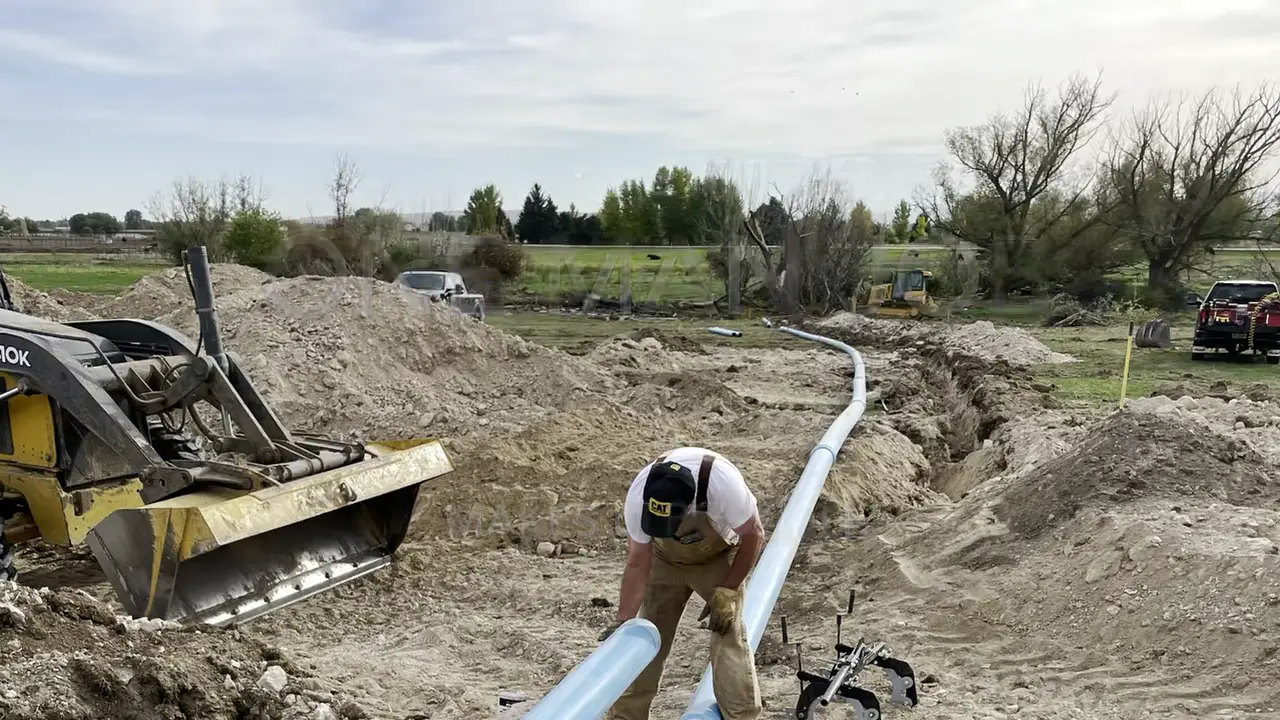
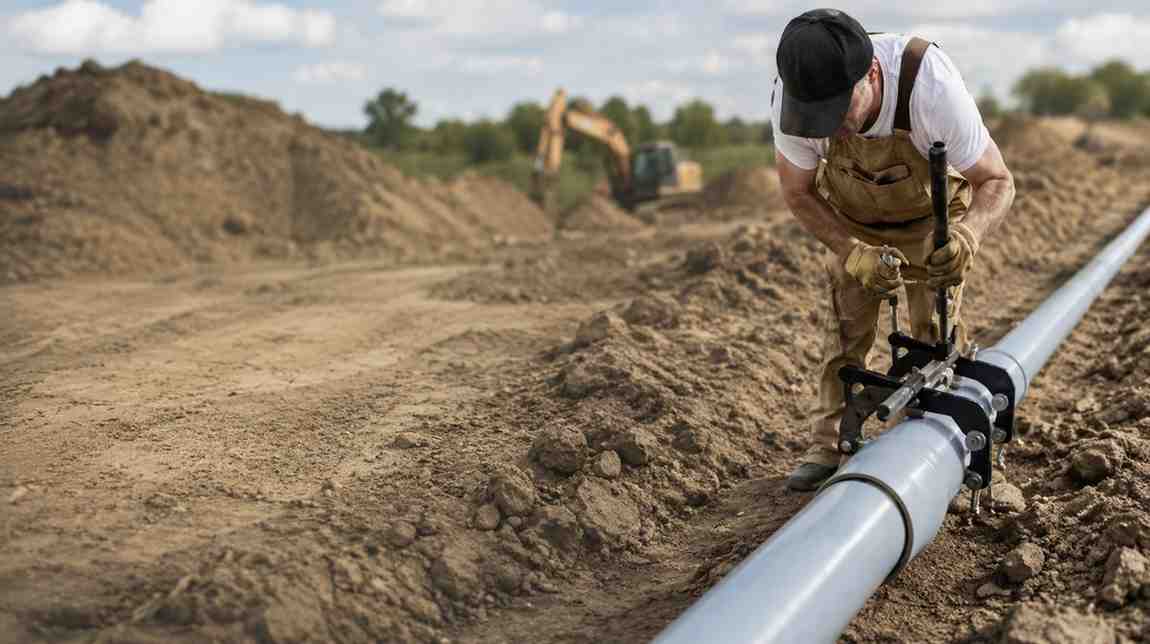
Most crews assemble by hand with the PVC pipe fittings tools they already carry. Those tools hold the parts. They do not keep steady force on the joint while the cement grabs, and that is the gap where joints stop short.
How Long Do You Have Before the Joint Sets?
Less time than most people expect. The window shrinks with heat, humidity, and pipe size.
Think of it in three stages:
- Working time: the cement is wet, and you can still move the pipe.
- Set time: the joint holds its shape. Do not disturb it.
- Cure time: the bond reaches full strength, and the line is ready for pressure.
Here is a rough guide to set time by size and temperature.
| Pipe size | Set time at 60 to 100°F | Set time in cold weather |
| 1/2 to 1-1/4 inch | about 2 minutes | up to 10 minutes |
| 1-1/2 to 3 inches | about 5 minutes | up to 15 minutes |
| 4 to 5 inches | about 15 minutes | up to 2 hours |
| 6 to 8 inches | about 30 minutes | several hours |
In damp weather, add about half again to every number. Never rush a pressure test either. Waiting for full cure is what keeps a joint from failing later.
Can You Take a Set PVC Joint Apart and Reseat It?
Only if you catch it in the first few seconds. After that, the joint turns permanent, and the fix becomes mechanical. Match your move to the stage the cement is in.
If the Cement Is Still Wet, Rework It
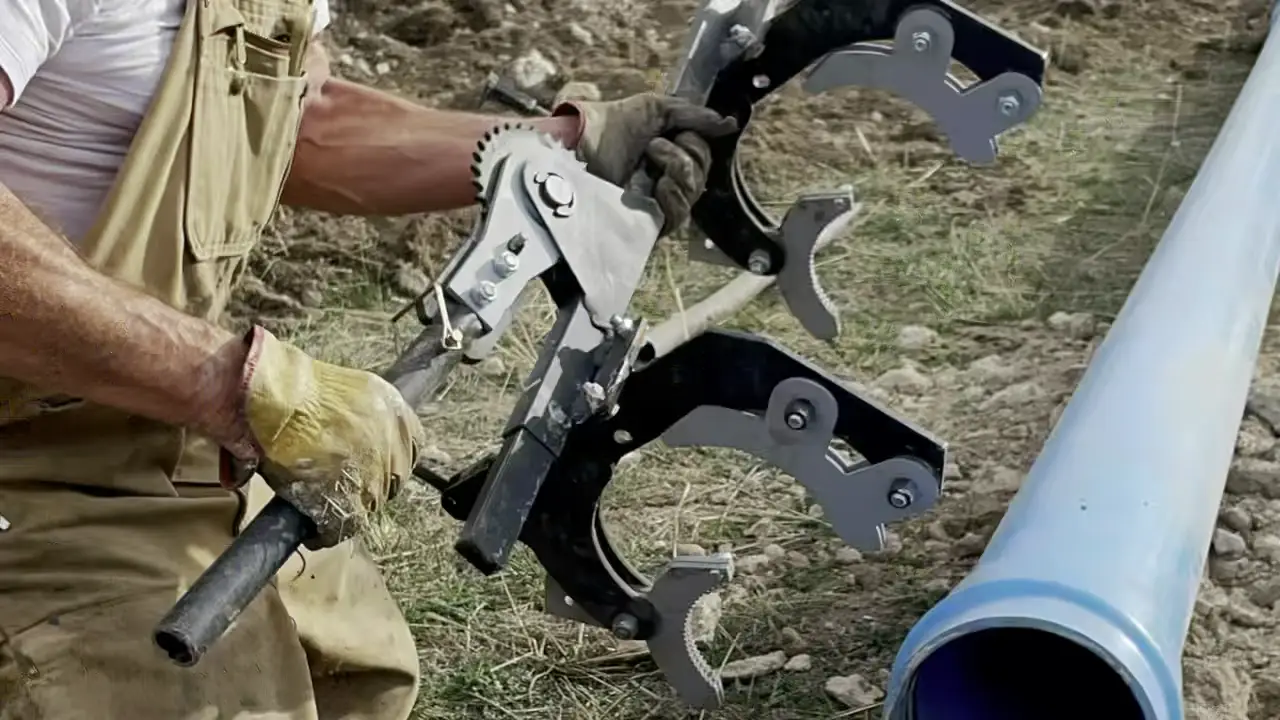
Pull the joint apart, clean and re-prep both surfaces, add fresh cement, and seat it to the socket bottom. On small pipe, you can sometimes twist and pull it free by hand. On a large pipe, you cannot apply that much force safely. A PVC fitting removal tool gives you controlled pull in that short window, so you can back the pipe out and reset it clean.
If It Has Set but Not Cured, Treat It as Compromised
You cannot push it deeper, and you cannot glue it again. A joint that stopped short has less bonded surface than a full-depth joint. Less bond means less strength and a real chance of a leak. Do not pressurize it and hope. Plan to remove it.
If It Has Cured, Cut and Rebuild
A cured joint is one solid piece of plastic. Remove the bad section and rejoin the line with a coupling or union. Where the run is tight, a repair coupling closes the gap. A plastic pipe fitting removal tool that pulls instead of pries keeps this clean and protects the pipe you want to keep.
Will Heat or a Solvent Remover Fix It?
No. Both can wreck a pressure line.
- Heat softens the joint, but it also weakens the pipe wall. Parts you heat should never go back into a pressure system.
- No solvent dissolves a cured weld. Removers can leave the pipe brittle and unsafe.
On a pressure line, controlled removal and a fresh joint beat every shortcut. This is the part most quick fixes get wrong.
How Do You Keep a Joint From Setting Short Again?
Seat the pipe to full depth in one smooth push, then hold it until it sets. That is the whole job.
Four steps prevent most short joints:
- Dry fit first. Mark the full depth with a line across the pipe and fitting.
- Use fresh cement and work fast.
- Push the pipe to the socket bottom in one motion, with a slight turn to spread the cement.
- Hold or clamp the joint until it sets, so it cannot creep back out.
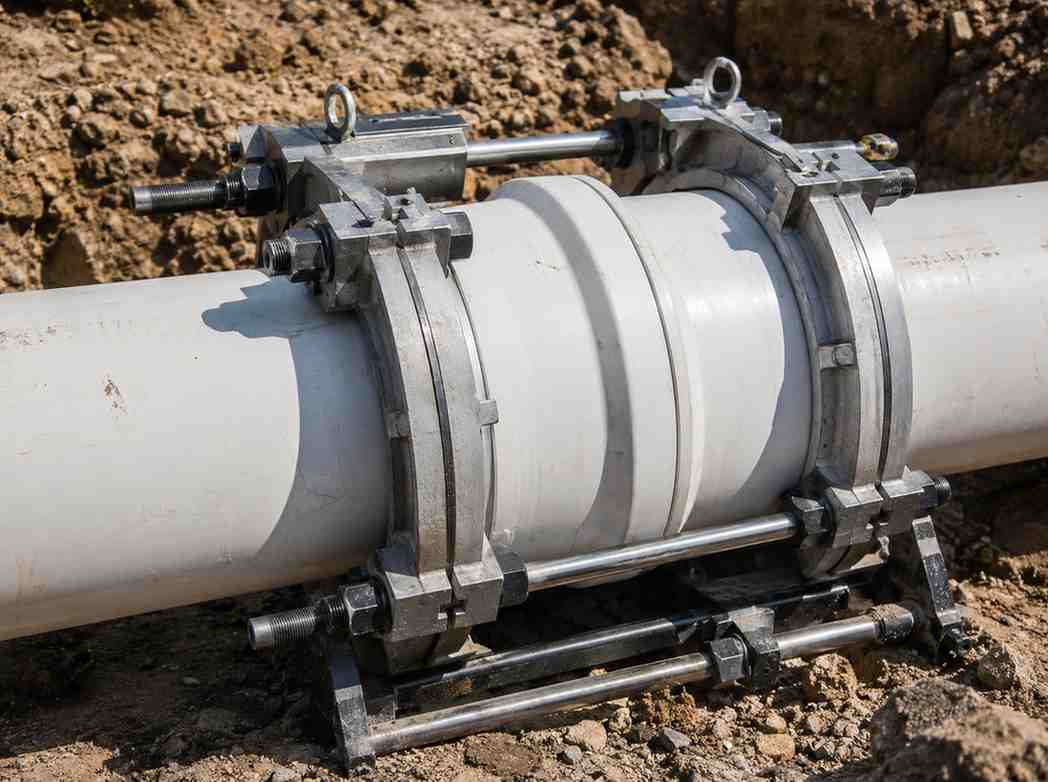
Standard PVC pipe fitting tools hold the pipe and fitting in place. Seating the joint to full depth against that grab is a different job, and it is where hand pressure runs out. Pipe fitting alignment tools do both. They hold the joint square and drive it home with steady force, so one person gets a result that used to take two. We built our tools around that idea, so you control the install instead of hoping the pipe seated. Full-depth insertion is also what the standard practice for PVC joints, ASTM D2855, calls for.
The Bottom Line
A joint that set before it seated is a warning, not a patch job. Once it sets, the honest move is simple. Rework it while it is wet, or remove and rebuild once it has cured. The real win comes earlier, when you seat every joint to full depth the first time.
That is what we build for. Browse our PVC fitting removal tool and pipe fitting alignment tools made for 3 to 12-inch PVC, or contact our team, and we will match a tool to your job.
Frequently Asked Questions
How far should a PVC pipe go into a fitting?
To the socket bottom. If it stops short, the joint loses strength and can leak.
Can you reuse a PVC fitting after a bad joint?
Not on a pressure line. Cut it out and start fresh with a new fitting.
How long before you can pressure test a PVC joint?
Follow the cure schedule for your pipe size and temperature, not the faster set time.
Does PVC cement expire?
Yes. Old cement will not soften the pipe enough, which is a common reason a joint jams short.
Can a removal tool take apart a glued PVC joint?
Not once it has cured. A plastic pipe fitting removal tool helps you pull a joint apart while the cement is still workable, and it makes cut-and-remove work cleaner on a cured joint.
Do you really need two people to join large PVC pipe?
By the manufacturer’s guidance, yes. A single-operator tool that clamps and drives the joint lets one person do it safely.