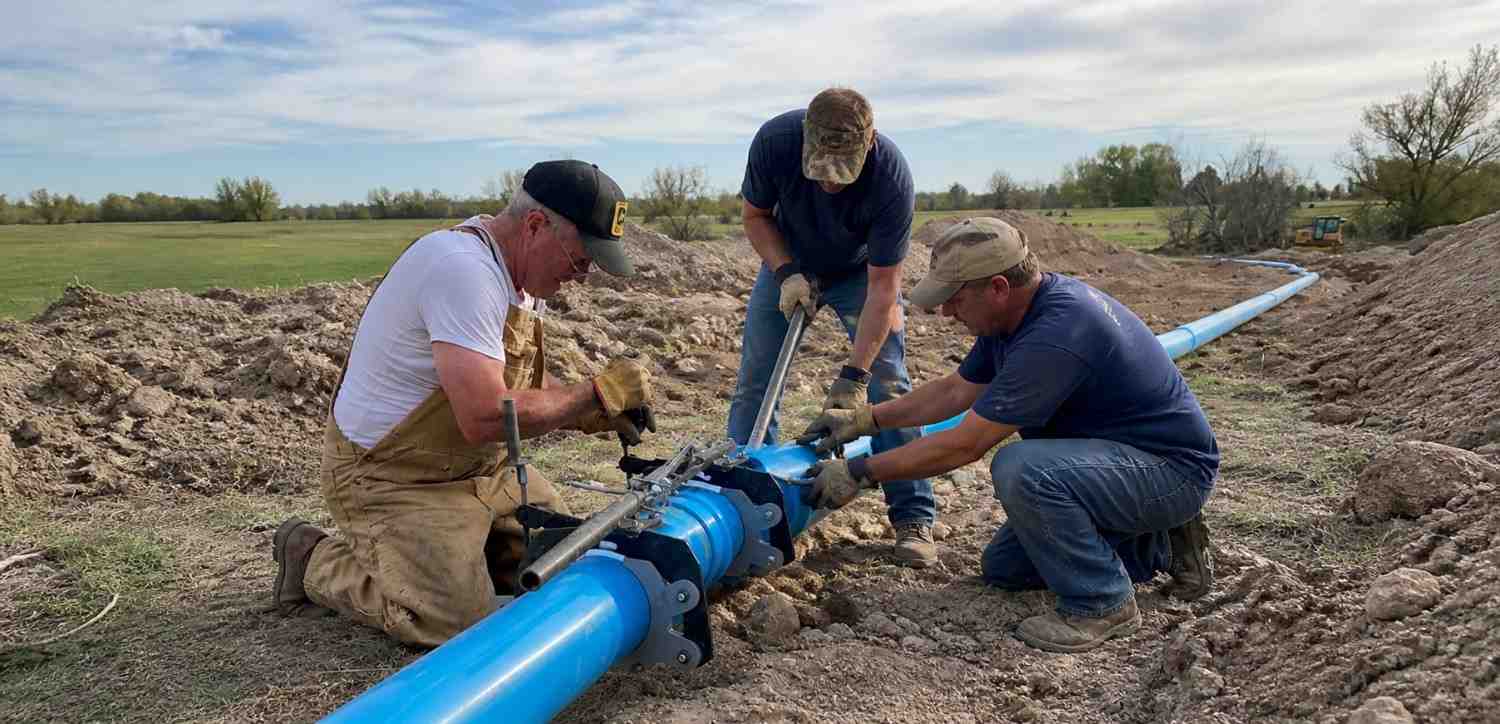
If every pipe joint on your job needs two or three people, you are paying more than you should.
Not because your crew is doing anything wrong. Because the process itself is doing the damage.
On most sites, more time is spent fixing alignment than actually completing the joint. That is where labor cost builds up quietly, one joint at a time.
And that is exactly what we work on fixing with our industrial pipeline installation tools.
Where labor cost really comes from in pipe fitting
Most people look at labor cost as headcount. We look at it differently.
It comes down to how much effort each joint takes.
- 3 workers × 6 minutes per joint = 18 labor-minutes
- 1 worker × 3 minutes per joint = 3 labor-minutes
That gap adds up quickly across a project.
This is why we focus on building industrial pipe fitting equipment that reduces effort per joint instead of simply trying to speed things up.
Why most teams struggle to reduce labor
We hear the same things from crews across different job sites:
- Pipes do not stay aligned during insertion
- The force is uneven and difficult to control
- Joints resist and need multiple attempts
When this happens, adding more people feels like the only option.
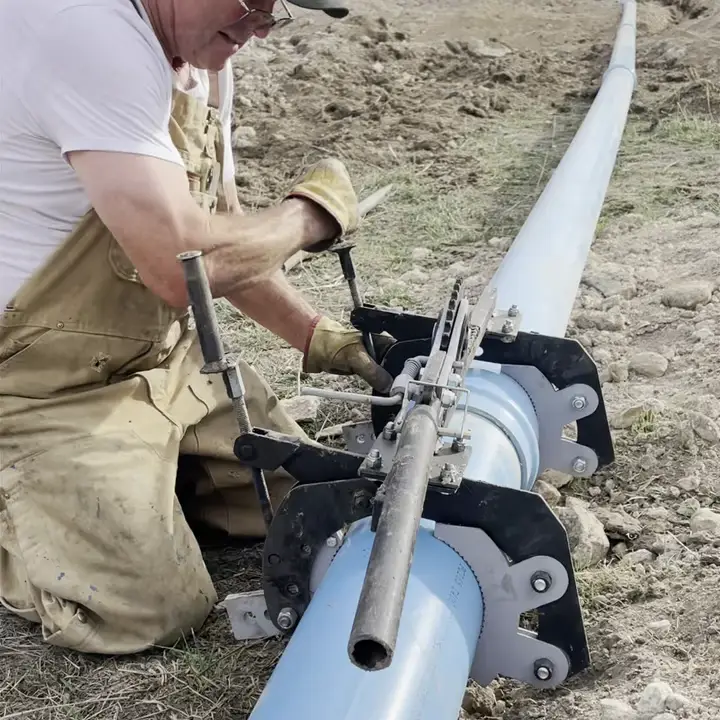
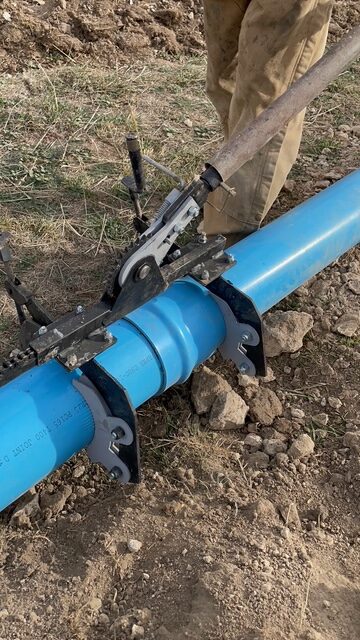
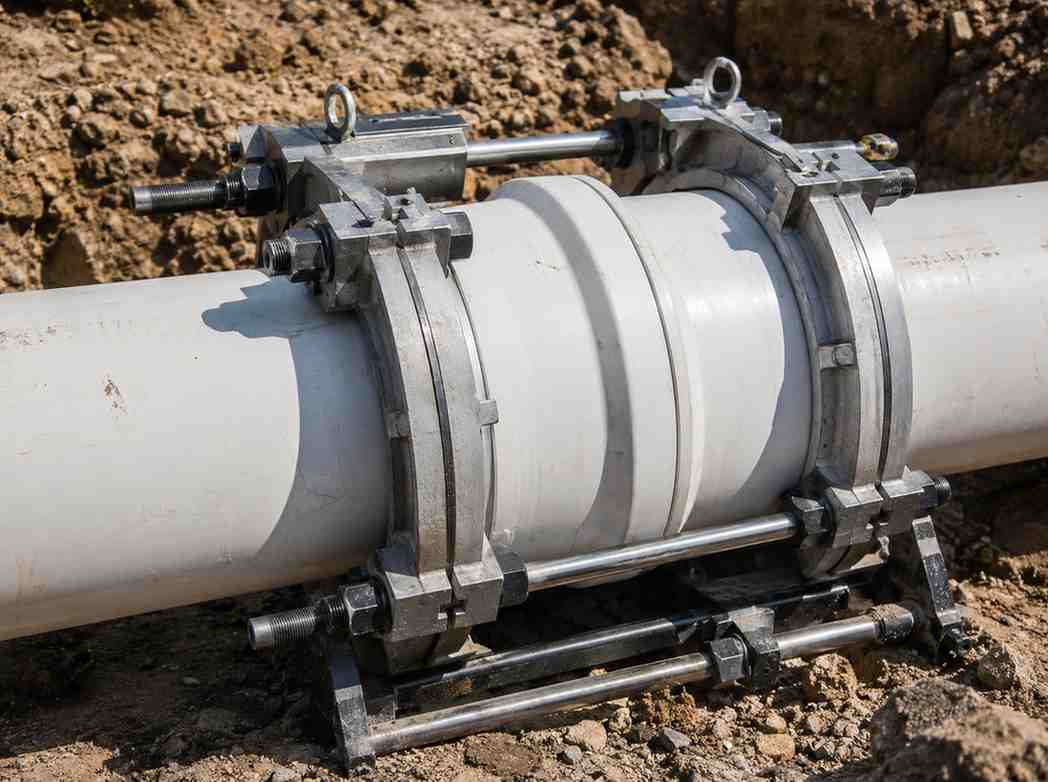
Instead, we design heavy-duty pipe fitting tools that hold alignment and apply controlled force so the process does not depend on how many people are pushing the pipe.
Most crews are still relying on pry bars, manual pushing, or makeshift methods to get joints in place. That approach works, but it increases effort, time, and inconsistency. We built our industrial pipe fitting equipment to replace that with a controlled installation process where alignment and force are managed from start to finish.
The shift that actually reduces labor
There are two ways pipe installation usually happens:
| Approach | What it depends on | Result |
| Manual method | Effort and repeated adjustment | Higher labor requirement |
| Controlled method | Alignment and steady force | Lower labor, consistent output |
Our approach is simple. We focus on control.
Our industrial pipeline installation tools are designed to keep the pipe aligned and apply steady force throughout insertion. That removes the need for repeated adjustments and extra manpower.
Where labor is being wasted on most sites
From what we have seen, labor is usually lost in these areas:
Alignment issues
When the pipe shifts, crews stop and reset. This adds time on almost every joint.
Uneven force
Manual pushing leads to poor seating and inconsistent results.
Partial insertion
Joints that are not fully seated create problems later.
Too many workers per joint
Each extra person increases total labor across the project.
We build our industrial pipe fitting equipment to remove these problems by making installation more predictable.
What changes when the process is controlled
When teams move to more controlled installation using heavy-duty pipe fitting solutions, the difference is clear:
| Metric | Typical Setup | With Controlled Tools |
| Workers per joint | 2–3 | 1 |
| Time per joint | 5–8 minutes | 2–4 minutes |
| Rework frequency | Common | Rare |
| Installation consistency | Varies | Consistent |
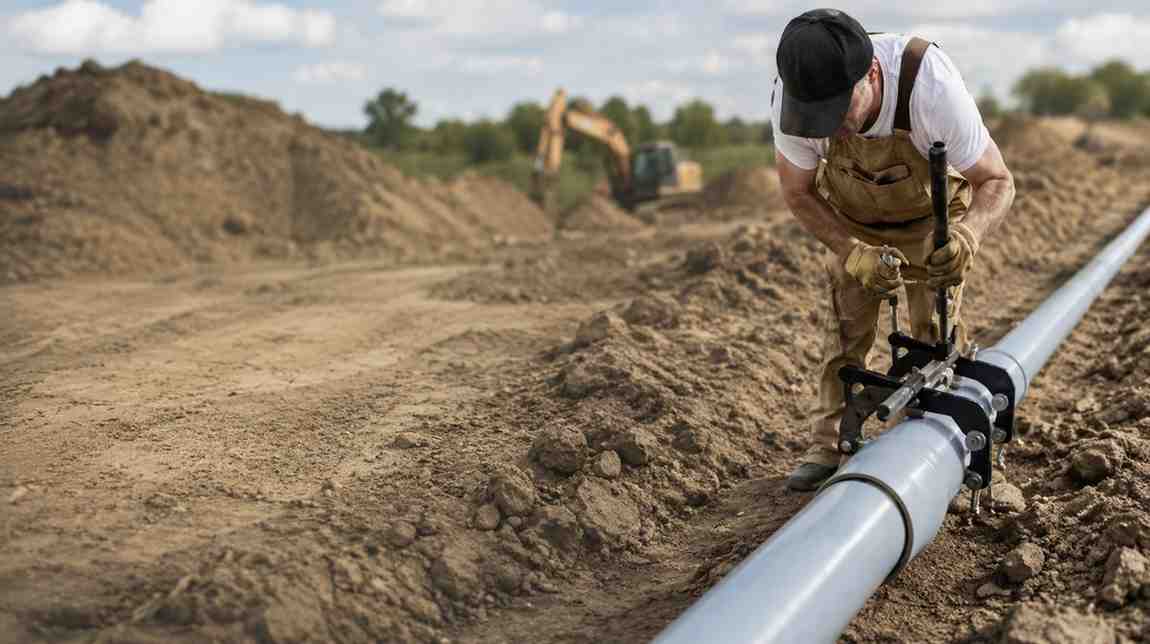
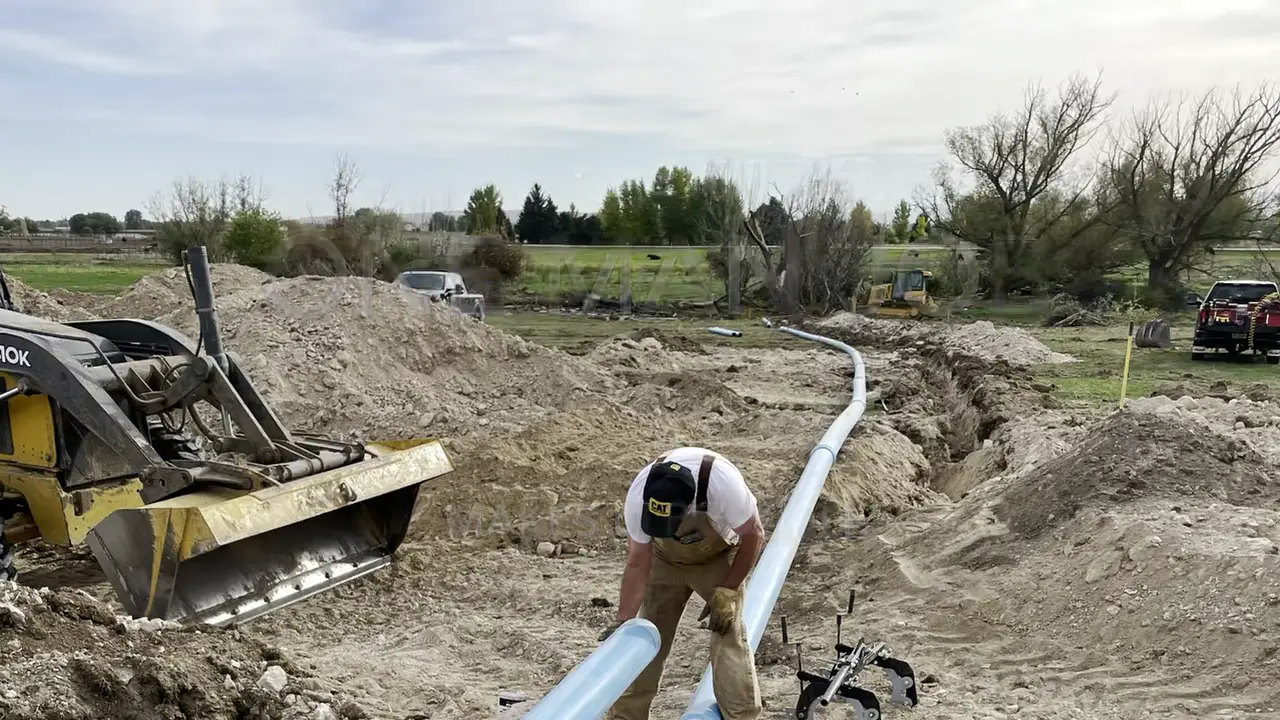
In many cases, our setup allows a single operator to align and complete the joint without needing additional support. That is where the biggest labor savings start to show up.
Why rework costs more than expected
Rework is where most projects quietly lose money.
A joint that is not properly installed often needs:
- inspection
- correction
- reinstallation
That can take two to three times longer than doing it right the first time.
That is why we focus on achieving high-performance pipe fittings tools through proper installation, not just material quality.
When it is time to change your approach
You will usually see clear signs:
- You need multiple workers for each joint
- Alignment takes longer than expected
- Joints require correction later
- Productivity is inconsistent
At that point, it is not about working harder. It is about working differently.
This is where working with experienced industrial pipe fitting equipment suppliers like us makes a difference. We focus on improving the process, not just supplying tools.
What we focus on
When we design our heavy-duty pipe fitting tools, our goal is simple:
- Reduce the number of people needed per joint
- Make installation faster without forcing it
- Eliminate rework by getting it right the first time
- Keep results consistent across the project
Everything we build is meant to reduce effort and improve control on site.
Let’s make your next project simpler
High labor costs usually mean joints are taking too long to install.We help teams fix that using industrial pipeline installation tools and heavy-duty pipe fitting solutions that bring control into the process, so the job takes less effort and fewer people.
Want to see how this would work on your projects? Get in touch with our team or explore our tools.
Frequently Asked Questions
Reduce time and effort per joint by using our industrial pipeline installation tools. They control alignment and force, so fewer workers are needed, and rework is avoided.
Yes, with proper heavy-duty pipe fitting tools, one operator can align and complete the joint without extra support.
Repeated alignment, uneven force, and rework. These are common with manual methods. Using our industrial pipe fitting equipment reduces these inefficiencies.
By maintaining alignment and applying steady force. This helps achieve consistent, high-performance pipe fittings without rework.